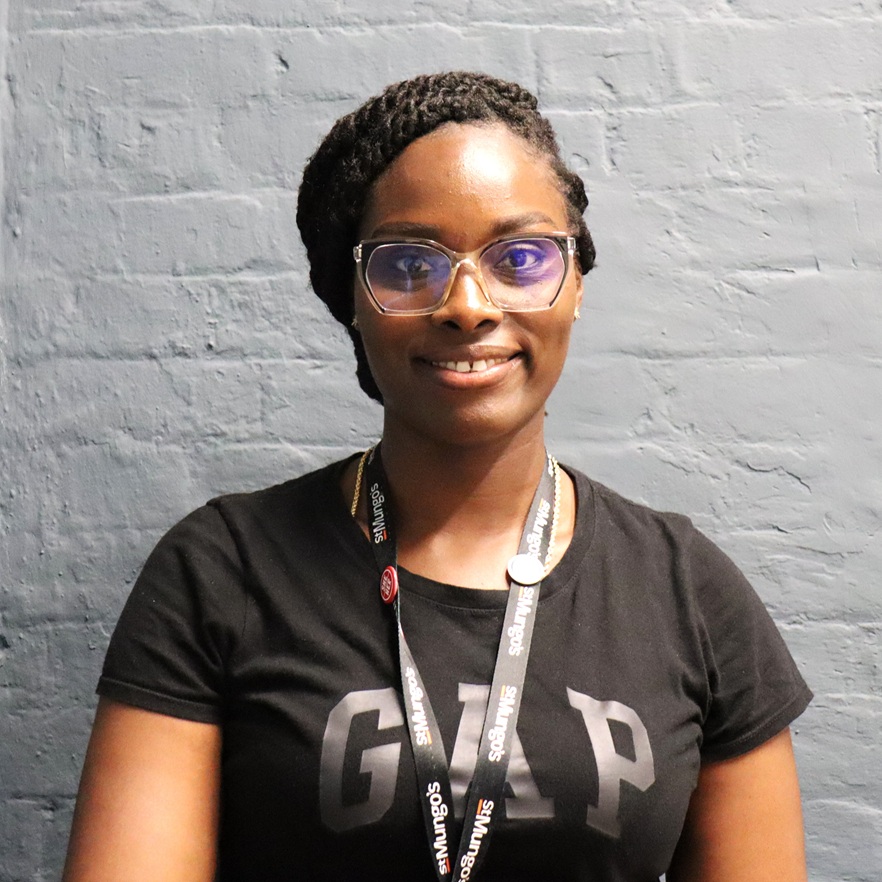
When I joined St Mungo’s as a frontline worker, I expected to learn how to support people experiencing homelessness. What I didn’t expect was how much the role would change my own perspective.
From recognising unconscious bias to understanding trauma-informed care, my first days on the frontline showed me that every person’s experience is unique, and that recovery starts with listening without judgement.
I was on my way to a St Mungo’s accommodation service that houses more than 50 people coming directly off the streets. It was my very first day as a frontline worker and, honestly, I didn’t know what to expect.
I felt uncertain and realised I was carrying some unconscious assumptions about homelessness. But I also knew I didn’t understand people’s experiences, and I was curious to learn.
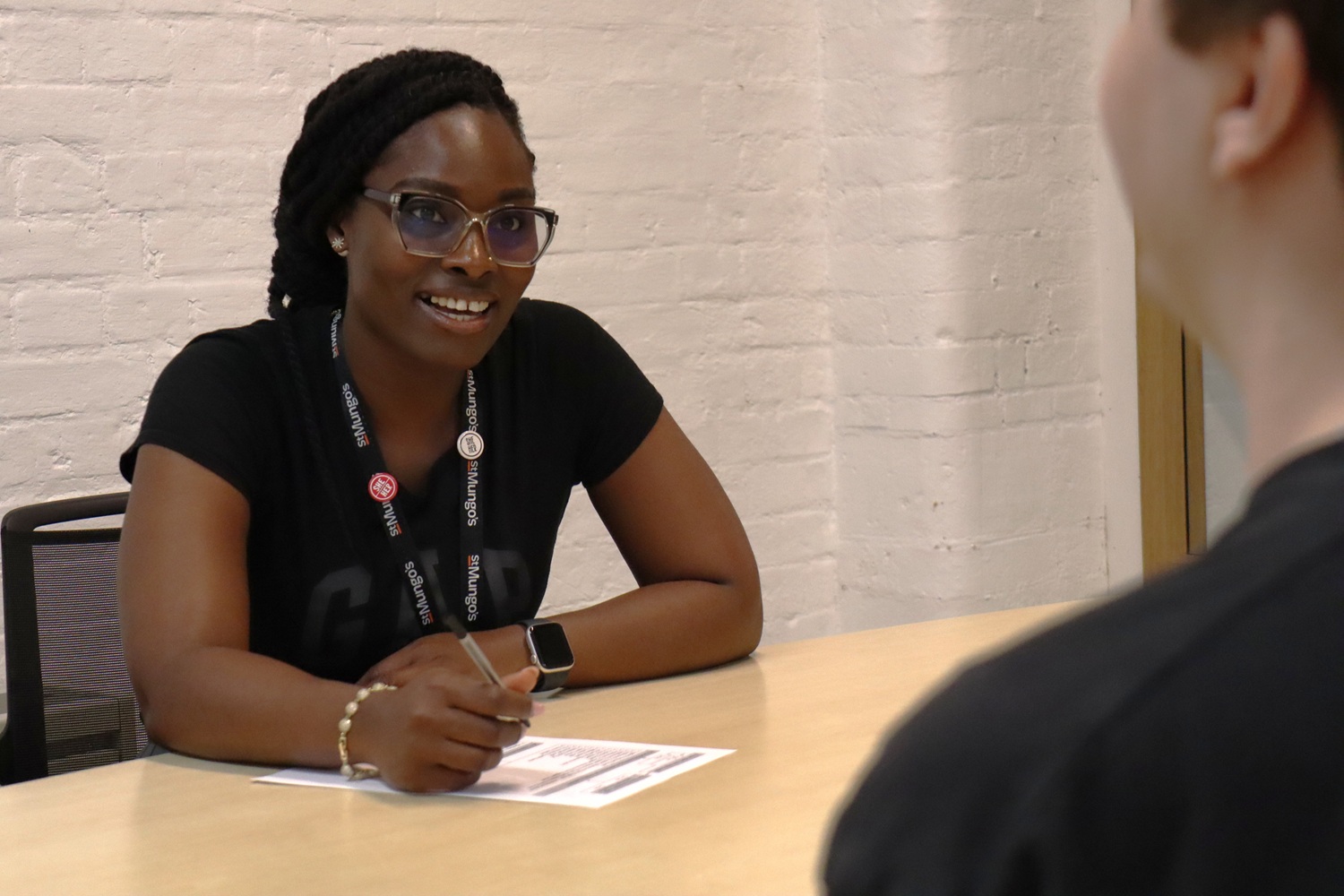
As soon as I walked through the doors, I realised this was going to be a hands-on role. From preparing food and carrying out health and safety checks to being there when someone simply needed someone to talk to, every part of the role was about helping people feel safe.
One person I met has stayed with me ever since.
He’d worked as a supermarket manager before a relationship breakdown turned his life upside down. After losing the permit that proved his right to work in the UK, he lost his job too.
Before long, he found himself sleeping rough.
He told me he’d had dark thoughts and often thought about ending his life, but every time he thought about his family, he kept going.
When he came to St Mungo’s, everything started to change. We helped him replace the documents he needed, and before long he had moved into his own rented home.
It was one of the quickest move-ons I’d seen because he was determined to rebuild his life.
Meeting him reminded me that homelessness really can happen to anyone.
A big part of my role was helping people prepare for life after homelessness.
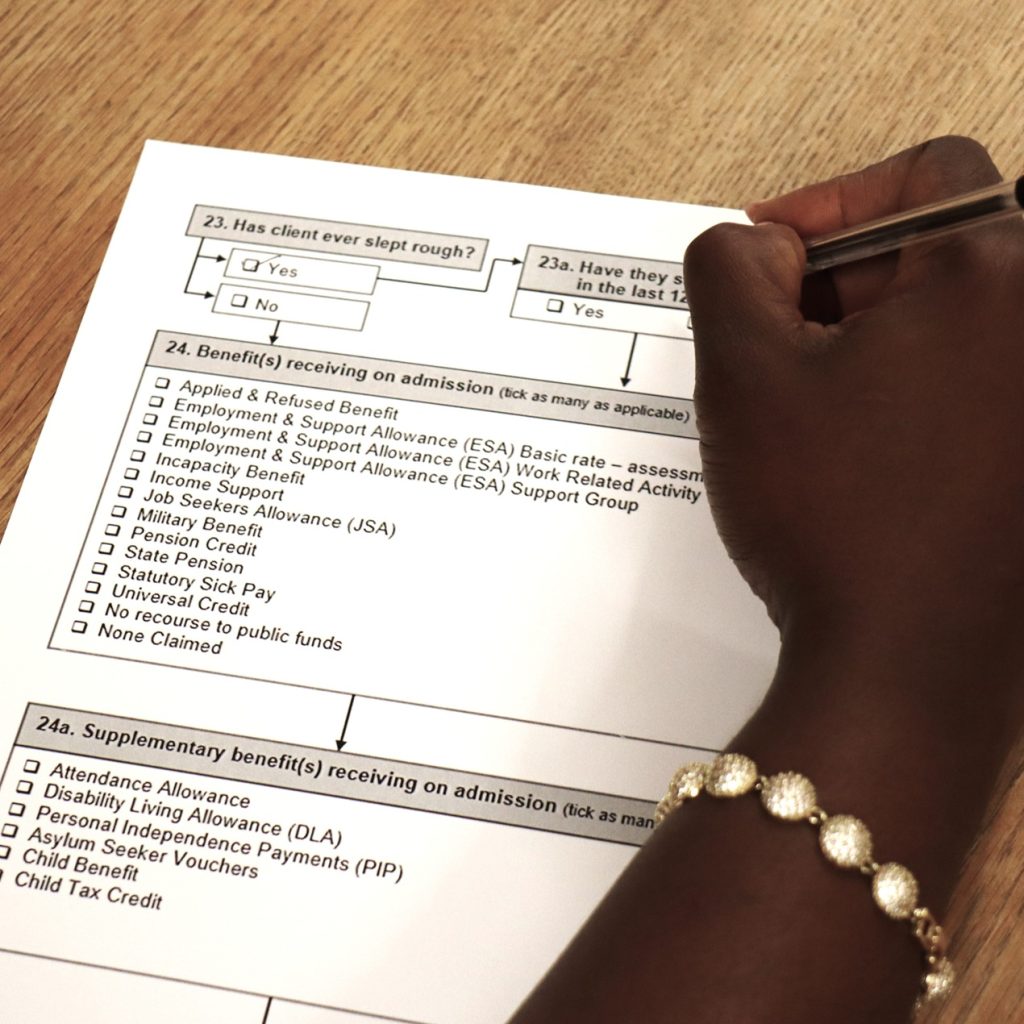
That meant understanding who they were, what support they needed and what kind of accommodation would help them move forward safely.
For someone who’s slept rough for a long time, moving into a home isn’t always easy.
There’s often a fear that if something goes wrong, they’ll lose everything again.
Helping someone build confidence alongside independence is just as important as helping them find somewhere to live.
Working at St Mungo’s has changed me.
I’ve met people I probably would never have spoken to otherwise, and every day reminds me that homelessness can happen to anyone.
It’s also changed how my family see homelessness.
I’m a Christian, and now when my children pray, they pray for people experiencing homelessness.
Knowing what I do has helped them see that behind every statistic is a person with hopes, fears and a story of their own.
My first days at St Mungo’s taught me that recovery isn’t just about housing. It’s about treating every person with dignity, understanding their experiences and helping them believe in themselves again. That’s something I’ll carry with me every day.