
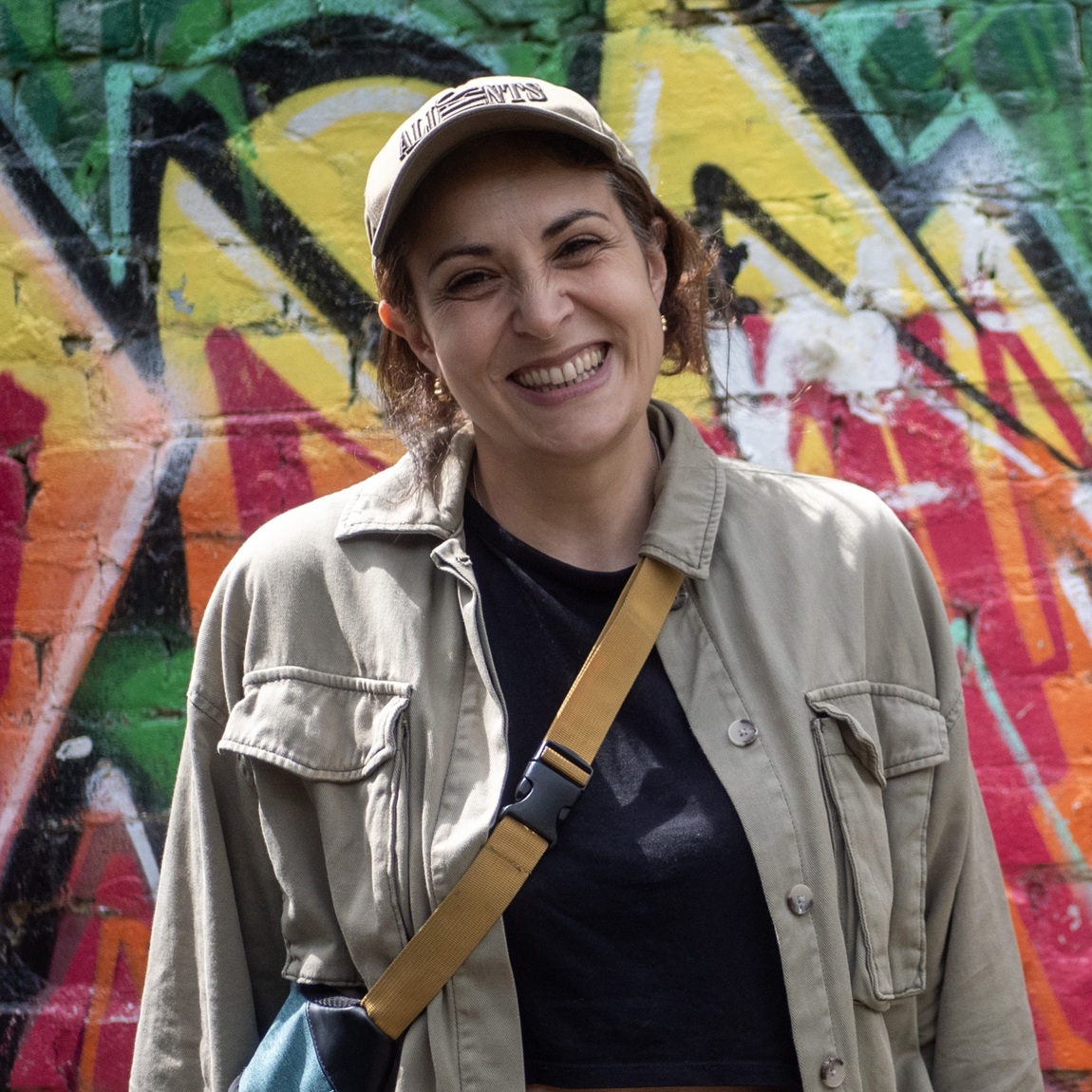
Sara’s part of St Mungo’s Complex Needs team and supports clients to access healthcare for hepatitis C. Here, Sara explains what hepatitis C is, and the importance of providing the right help to people with a diagnosis.
Homelessness brings with it a variety of health risks: a person experiencing homelessness can only expect to live to 45. Hepatitis C is a particular risk, but because of advances in medical science, treatments are much improved – which means tackling it is entirely within our grasp.
In short, it’s a virus that attacks the liver, virtually symptomless at first; sufferers mostly feel tired. Later there may be abdominal pain and yellow skin, but because a lot of our clients use alcohol, it gets missed. Hep C mimics a lot of health conditions we see anyway in clients.
Transmission is blood to blood, so sharing needles is a common way. People wonder why they take risks, but severe psychological trauma is the mental equivalent of having third degree burns all over your body so the need to calm the pain is urgent. It only takes one time to get infected. Hepatitis is robust: it can survive outside the body for two to three days – HIV survives just milliseconds. What is the treatment? Anti-retrovirals, one tablet a day for 2-3 months. It’s very effective, with very few side effects.
The previous treatment was interferon; it was traumatic and it wasn’t even effective for one strand. A lot of clients don’t realise that’s changed. Also, we’re dealing with people who have high levels of trauma, very low self-esteem and a sense of powerlessness over their health and future.
Some say they don’t care what happens to them. Sometimes treatment is hampered by mental health issues. I worked with a client who’d had hep C for 20 years and had psychosis, so believed his dad was murdered by the NHS. But we’ve managed to get him to engage, get him assessed, get bloods and an up-to-date liver scan.
With consent we put systems in place to help clients with their treatment. Part of my job is to meet with them and say, ‘you tell me what would work for you, and I’ll try to make it happen.’
Plenty of clients have done treatment and they’re now well, sober, have children – others have left sex work they’ve been engaged in since they were abused as young children. We’ve supported them to get into treatment, and they’ve turned their whole lives around, which always makes me feel proud.
Health is a massive part of what we do at St Mungo’s. It can’t be left for hostel staff, they have so much to do. You need a service like ours that can specialise and focus on that aspect. We’ve got something that works and see the difference it makes all the time.
For someone sleeping rough or facing homelessness, having a safe and stable home can feel a long way away.
St Mungo’s is there to support people at every step.
Real change doesn’t happen
overnight. But with your help, it can start tonight.
For someone sleeping rough or facing homelessness, having a safe and stable home can feel a long way away.
St Mungo’s is there to support people at every step.
Real change doesn’t happen
overnight. But with your help, it can start tonight.