
Celebrating our collaboration with Network Rail this World Homeless Day

This World Homeless Day we’re celebrating St Mungo’s work with Network Rail, established to support people experiencing homelessness across the rail network. Since February 2025, Network Rail has supported outreach services delivered by St Mungo’s at two of the busiest stations in London; Victoria and Charing Cross. Specialist teams work alongside station staff to engage with people sleeping rough, offering immediate help, connecting them with accommodation, health and support services, and creating pathways into recovery. Through the HomelessWise training, run by St Mungo’s, a number of Network Rail colleagues have learned how to better support people who may be experiencing homelessness and how to make effective referrals. Combined with Network Rail’s own rough sleeping toolkit for staff, this training has made stations safer and more welcoming for everyone. On Friday 10 October 2025, we’re celebrating World Homeless Day with a collaborative collection event. Staff, volunteers, and St Mungo’s supporters will be coming together at Victoria station to raise awareness and vital funds for our work. We are so proud of what we’ve achieved together so far, and we’re excited for the future. By combining Network Rail’s reach and resources with St Mungo’s mission in ending homelessness and rebuilding lives, we’re helping more people get the support they vitally need. You can find out more about our HomelessWise training by clicking here. To find out more about the outreach work St Mungo’s undertakes every day, click here.
St Mungo’s welcomes the new Minister for Local Government and Homelessness
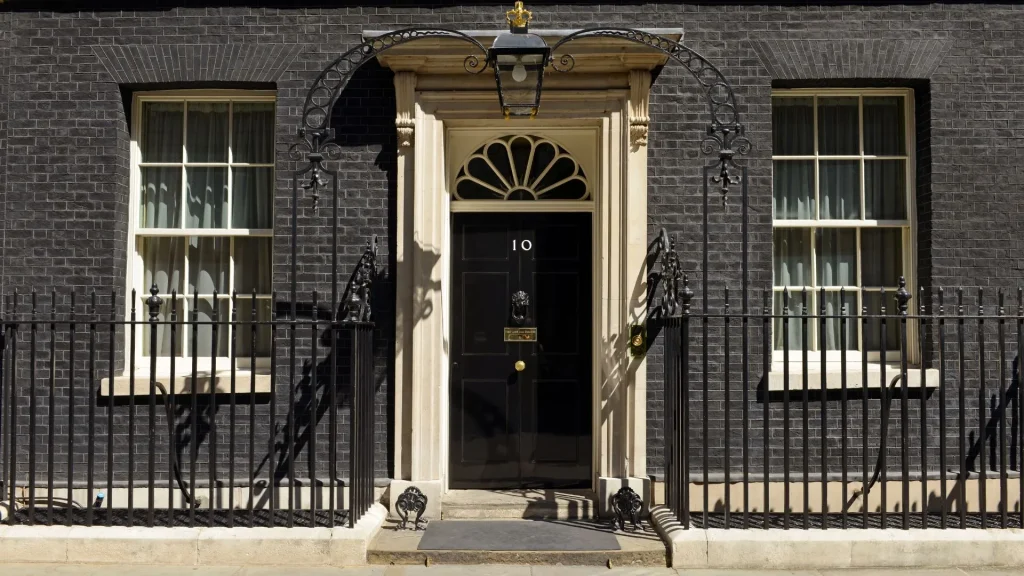
This week, Sir Keir Starmer appointed Alison McGovern MP as the new Minister of State for Local Government and Homelessness. Responding to the news, Emma Haddad, Chief Executive of St Mungo’s, said: “We welcome the appointment of Alison McGovern MP as the new Minister for Local Government and Homelessness — a role that is vital at a time when homelessness is rising. Every night spent on the streets is a tragedy. At St Mungo’s, we see the real impact of people being pushed into crisis by the lack of affordable housing and overstretched support services. Now is the time for renewed focus and leadership in Government. Ending homelessness requires more than reactive measures – it needs a clear, coordinated strategy that prioritises prevention. The forthcoming homelessness strategy will be key to bringing Government and the sector together under a shared action plan. We are committed to working with the new Minister to help shape a system that prevents homelessness and ensures no one is left without a safe place to call home.”
56-day move on pilot for newly-recognised refugees ends, St Mungo’s responds

This week, the Home Office announced that it will be ending the 56-day move on pilot for refugees with newly granted status to remain in the UK. People leaving asylum support accommodation will now have 28 days to find somewhere else to live. Responding to the news, Emma Haddad, Chief Executive of St Mungo’s, said: “Earlier this year we warmly welcomed the Government’s piloting of extending the move on period for newly recognised refugees from 28 to 56 days – and we recently welcomed the extension of that pilot until the end of the year. We are therefore disappointed and concerned by the decision to end the pilot abruptly. “We know from our work on the frontline of homelessness that newly granted refugees are experiencing homelessness at ever growing rates. The extension of the move on period was a major factor in starting to resolve this issue, providing more time to support people into suitable accommodation and avoiding the need to sleep rough. “This change of direction from the Government risks increasing the number of people sleeping on the streets, putting even more pressure on a homelessness system that is already struggling to support record numbers of people. “We hope that the Government will put in place solid steps to mitigate the risks this decision will undoubtedly create and remain committed to working on practical, long-term solutions that help recognised refugees avoid rough sleeping and rebuild their lives.”
More people living on London’s streets this spring, St Mungo’s responds

New data released today (31 July 2025) by the Combined Homelessness and Information Network (CHAIN) which covers April to June 2025 has shown an increase in rough sleeping. In total, 4392 people were recorded as rough sleeping in London this spring. This is an increase of 4% on the same period last year. The data also shows: 2014 people were rough sleeping for the first time, a 4% increase on the same figure this time last year 1686 people were intermittently rough sleeping, 2% lower than the same period last year 788 people deemed to be living on the streets, 26% higher than the same figure this time last year 1,743 had a mental health support need, 52% of the total number of people rough sleeping Emma Haddad, Chief Executive of St Mungo’s, says: “Not only were more people rough sleeping for the first time this spring, but the numbers of people living on London’s streets jumped by over a quarter – a startling rise compared to the same period last year. We should all be deeply concerned by these figures. A safe, decent and affordable home is the foundation of a healthy life. It is a tragedy that anyone should lose theirs due to a sudden job loss or soaring rent rises. Yet increasingly, our outreach teams are meeting people experiencing homelessness for the first time. From our frontline work, we see just how rapidly and severely rough sleeping can damage a person’s mental and physical health, even after spending just one night out in the cold. Timely, trauma-informed support and emergency accommodation is essential. But with support services stretched to the limit, people are having to wait far too long for help. Spotting the warning signs and intervening before someone ends up on the streets is key to breaking the cycle of homelessness for good. We welcome the Government’s investment in social housing and homelessness services. This momentum needs to be maintained with the publication of the now overdue homelessness strategy with a clear focus on prevention — so that no one has to face another night on the streets.”
Deadline for Hepatitis C elimination draws near, but people facing homelessness still experience increased risk

Today marks World Hepatitis Day – an annual event to raise awareness of viral hepatitis. In 2016, the UK Government committed to eliminating viral hepatitis as a public health threat by 2030. However, there is a real worry that the needs of inclusion health groups will not adequately be met as part of this commitment. Inclusion health groups refer to marginalised people who live with multiple health inequalities and social exclusion; all of which cause barriers to accessing healthcare – this can include people facing homelessness. The stellar work St Mungo’s has done in this area, alongside its partners in the Hep-C Trust and the NHS, shows what can happen if we do not forget the health needs of some of the most vulnerable sections of our society. Sara Hide, Hepatitis C Coordinator at St Mungo’s comments: “People experiencing homelessness represent one of the most at-risk groups for infection of Hepatitis C – a virus that can cause chronic inflammation of the liver. The intense psychological trauma of being homeless can lead to substance use and sharing of needles, and as transmission occurs from blood to blood, Hep-C is a real risk for people we support. The longer their health needs are unaddressed, the more intense they become. “We see people who are homeless facing many other conditions alongside a Hep-C infection, including poor mental and physical health, however the quicker their Hep-C infection is treated the less likely they are to develop liver cancer; this dramatically improves their life expectancy and quality. “The NHS has made great strides in treating tens of thousands of people with Hep-C, and the Hep-C Elimination Programme supports us to consider people’s holistic health, but we need to ensure that the health needs of people facing homelessness are not forgotten. This is why collaboration between St Mungo’s, the Hep C Trust and NHS UCLH Find & Treat, as a part of Hep-C Elimination, is integral to finding more people with the infection, who otherwise would not present to mainstream healthcare services. We meet people affected by homelessness where they are; this can be through outreach, home visits, and clinics with screenings and treatment – the latter now less invasive and with shorter courses of medication. “We look forward to strengthening this partnership over the coming years, and we hope the much-awaited homelessness strategy will crystallize the fact that homelessness and health, including treatment of Hep-C, can never be seen in isolation.” To find out more, please visit: Campaign Resources 2025 – World Hepatitis Day
Households in temporary accommodation reaches record highs, St Mungo’s responds

New data released yesterday (22nd July 2025) by the Ministry of Housing, Communities and Local Government (MHCLG) which covers January to March 2025 has shown that a record number of households are stuck in temporary accommodation in England. According to the data, 131, 140 households were living in temporary accommodation on 31 March 2025, which is an increase of 11% from 31 March 2024. The new statistics also show that: 47,990 single households were living in temporary accommodation at the end of March 2025 – a rise of 12% from the end of March 2024 83,450 households were supported by their local council to prevent or relieve their homelessness between January to March 2025 Of those households offered support: – 37,610 households were deemed at risk of homelessness and therefore owed a prevention duty – down 4% from the same quarter last year – 45,840 households were deemed already homeless and therefore owed a relief duty – down 7% from the same quarter last year Further data revealed that: In January to March 2025, ‘end of private rented Assured Shorthold Tenancy’ was the most common reason for households being owed a prevention duty. These households made up 36% of those owed a prevention duty in the quarter The most common support need was for those with history of mental health problems, accounting for 23,600 or 28% of households offered support for homelessness. This was up 2% since the same quarter last year. Chief Executive of St Mungo’s, Emma Haddad, said: “With record numbers of people trapped in temporary accommodation, these latest figures highlight just how far we still have to go in tackling homelessness. Rising rents combined with a fragile jobs market are driving an increasing number of people towards homelessness for the first time. Meanwhile, a lack of affordable and social housing means more people are struggling to move on from stop-gap housing solutions and end their homelessness for good. If these issues aren’t addressed, it only leads to more people finding themselves at the sharpest end of this crisis. St Mungo’s outreach teams are supporting increased numbers of people sleeping rough, with not enough options to help them away from the streets . The Government’s recent funding commitment for homelessness and social housing is the right step towards fixing this crisis, but real change depends on preventing homelessness. The publication of the now overdue homelessness strategy should provide a coherent roadmap towards prevention and away from crisis response.”
St Mungo’s comments on sector-wide report on housing support needs for black people

Black families facing homelessness were less than half as likely to get access to social housing in England as white families in similar circumstances, according to research said to show “fresh evidence of racism in our housing and support systems”. While almost a quarter (24%) of white families in the statutory homelessness system ended up in social housing, this was true of only around one in 10 (10%) black families, the three-year research project concluded. Academics from Heriot-Watt University’s Institute for Social Policy, Housing, Equalities Research, said their findings showed that black people “face dramatically worse outcomes” when it comes to housing support. Kevin Maxwell, Head of Diversity, Equality and Inclusion at St Mungo’s, said: “This report lays bare the systemic challenges facing global majority communities in accessing what should be a fundamental right for everyone: somewhere to live that is not only safe but affordable too. “Our frontline teams see a disproportionate number of people from the global majority who are forced to sleep rough. We know that discrimination can be both a cause and a consequence of homelessness. But it doesn’t end when someone is off the streets – it often continues throughout their journey into stable housing, from getting onto the waiting list for social housing to accessing private rented accommodation. “As a sector and with our partners in local and national government, we need to take the steps to ensure that homelessness is eradicated for good across all communities.” Researchers analysed 750,000 household records of official English statutory homelessness data, covering 2019/20, 2020/21, and 2021/22 and said their study is the most comprehensive of its kind. They found that only around 11-12% of most other minority ethnic groups gained access to social housing in the system at this time. As well as data analysis for social housing, researchers carried out focus groups with people who had direct experience of homelessness who also told of experiences with private landlords. They heard evidence of people from black and other minority ethnic groups feeling they had to change their names or accents and in some cases even cut their hair to try to avoid discrimination. The report said: “Strikingly, there was evidence of minoritised people feeling compelled to disguise their ethnic identity and migration status in an attempt to gain fair access to employment, housing and public services. “This included changing, or hiding, their name, nationality, accent and even aspects of their appearance such as their hair. “There seemed to be a particular imperative for people to disguise their status as refugees, reflecting the additional and specific forms of discrimination and disadvantage that they faced.” Other findings from the data analysis reveal “systematic disadvantage throughout the homelessness process”, researchers said. These included that black families were six times more likely to live in overcrowded conditions than white households, Pakistani and Bangladeshi households faced the highest overcrowding rates at over seven times the white average and 41% of black families left the statutory system to unknown destinations, compared to 28% for white families. The report’s recommendations include calls to tackle racial inequalities through the upcoming cross-government strategy on homelessness; invest in the professionalisation, training and support of housing and homelessness officers; tackle racism among private landlords; and a rejection of what they call “ethnicity-blind” approaches as well as ensuring there is “robust” monitoring data to identify and address racist assumptions and discriminatory practices. To access the full report, please visit: Race, Ethnicity and Homelessness in the UK: Final report of a knowledge and capacity building programme – Heriot-Watt Research Portal
St Mungo’s comments on publication of Women’s Rough Sleeping Census

New findings from the third national Women’s Rough Sleeping Census reveal that Government figures dramatically underestimate the number of women sleeping rough. The National Women’s Census, launched in 2023, responds to the underrepresentation of women in traditional rough sleeping data across England. Using more accurate methods, it captures the hidden nature of women’s homelessness and the widespread impact of domestic abuse and violence on levels of homelessness. Unlike standard counts, it accounts for women sleeping in unsafe, hidden places such as parks or behind secluded buildings, or staying mobile at night to avoid harm – offering a clearer picture of their experiences across England. The census recorded over ten times more women than the Government’s snapshot data. In Bristol it was twenty-three times more. In England, findings show: -1,014 women were recorded as rough sleeping in the 2024 Women’s Rough Sleeping Census, compared with 680 in the rough sleeping snapshot* -1,777 women were recorded as rough sleeping in the Local Insights meetings** Women who completed the census told the teams about their experiences: “I feel vulnerable. You have to rely on people who you can’t trust and don’t feel safe with. I don’t have the money to go into restaurants for shelter and have to put myself at risk and do things I don’t want to so I can get shelter for the night. “To keep safe for a woman is more difficult. I have been raped by people while sleeping rough in a bank doorway. I now ensure I am with a male rough sleeper at all times. I believe this is the safest option, but it doesn’t mean I am safe.” Laura Shovlin, Regional Head at St Mungo’s, said: “The numbers show there are significant amounts of women sleeping on the streets, with many more hidden from view meaning they are not included in official statistics. Rough sleeping is dangerous for everyone, but women on the streets – whether hidden or not – face frightening levels of sexual harassment, abuse and violence. “There also needs to be enough women-only spaces where everyone can access specialist trauma-informed support for their physical and mental health needs. The Government must recognise women’s homelessness in its own right and fund it accordingly. The much-awaited homelessness strategy is a key opportunity to ensure that support for women affected by homelessness is delivered in a compassionate, appropriate way.” Following the success of the collaboration in 2024, the Women’s Rough Sleeping Census is now set to take place annually, with St Mungo’s, The Nelson Trust, One25 and Shelter. *This provides information, during a specific period, about the estimated number of people sleeping rough on a single night **This is intel-based information, rather than counting. It widens the net to ensure women are not missed because they aren’t visibly rough sleeping.
‘Herephones’ launched to tell the stories of people affected by homelessness

– Public invited to listen to real life stories of people experiencing homelessness at the point they were helped by charity St Mungo’s – – Well-known voices support and lend their voice to the campaign as they narrate the individual stories – – Campaign launches as new figures show over 13,000 sleep rough in London – an increase of 10% versus last year and 63% rise versus a decade ago – Bright orange headphones have been installed across London telling the inspiring stories of people who have faced homelessness. The ‘Herephones’ are located at the exact spots St Mungo’s frontline workers helped people sleeping rough find safety. Stories of David, Andy, Arwa and Tracey have been narrated by well-known voices to raise awareness of the charity’s work in the homelessness crisis. Nigel Boyle best known for his roles as ‘H’ in Line of Duty, Peaky Blinders, and Humans, as well as voicing popular video games Total War: War Hammer III and Squadron 42 – Star Citizen narrates the stories alongside Lainy Boyle who plays recurring character, Dylan, in The Dumping Ground (BBC). Other TV credits include Maternal (ITV) Casualty, Inventing The Ripper (Sky) and The Good Ship Murder (C5). Members of the public can spot the ‘Herephones’ at five locations around the capital including Whitechapel Highstreet, Westminster Bridge Road and Talgarth Road in Hammersmith & Fulham. They are encouraged to stop and listen to the real life stories. New figures from the Combined Homelessness and Information Network (CHAIN) show that the number of people sleeping rough in London from April 2024 to March 2025 was 13,231, a 10 per cent rise on the same period a year before and a 63 per cent rise versus a decade ago, with the stark figures reflecting the broader scale of the homelessness crisis in the UK. St Mungo’s frontline workers are seeing more people facing homelessness than ever before, a combination of high health needs and lack of affordable housing is pushing many people onto the streets. The emotional stories describe how the individuals became homeless, and the hurdles they faced while living on the streets. The narrations go onto exploring how lives were rebuilt, and hope was rediscovered with the support of St Mungo’s. They tell the stories of feeling safer at night after a move to emergency shelter, followed by longer-term stability with a place people can finally call their own. The launch of the brightly coloured ‘Herephones’, which reflect St Mungo’s brand colours, coincides with St Mungo’s ‘We’re Here’ campaign. Currently being shown on billboards, buses and bus stops across the city, it spotlights the issue of homelessness and how St Mungo’s is the charity on the frontlines of the homelessness emergency. For many, that first interaction with a St Mungo’s frontline worker can open the door to emergency accommodation and a route out of homelessness. David, aged 62 years, whose real life story features in the campaign, said: “I was homeless on and off for 10 years, including through the lockdown which was incredibly lonely. Following a particularly terrifying attack while sleeping rough one night, I’d begun to lose all hope. But this all changed when I discovered St Mungo’s. With the charity’s support, I was provided counselling and moral support as well as food vouchers. They’ve also helped negotiate on my behalf around debt repayment, which gives me more time to concentrate on my film studies – a life-long passion of mine. I hope that by sharing my story it’ll give hope to those who find themselves sleeping rough – I’m proof you can rebuild your life.” Emma Haddad, CEO at St Mungo’s comments: “We encourage members of the public to take a minute to pause and listen to the inspiring stories shared through our Herephones. They are a tribute to everyone who has been affected by homelessness, each with a story to tell. “We are in the middle of a homelessness emergency. More and more people are being met by our frontline workers day and night: a warm smile, a friendly chat, and an offer of emergency accommodation can be a lifeline for people facing homelessness. St Mungo’s has been there for them for the past 55 years and will continue to be there – until we have ended homelessness for good.” People can listen to the emotive stories on St Mungo’s ‘Herephones’ at the following locations: 30th June – 1st July: Talgarth Rd (Hammersmith & Fulham) 2nd July – 3rd July: Westminster Bridge Rd (Westminster) 2nd July – 3rd July: Newington Causeway (Southwark) 7th – 8th July: Liverpool Rd (Islington) 7th – 8th July: Whitechapel Highstreet (Tower Hamlets)
Rough sleeping in London rises by 10% in 2024, St Mungo’s responds

New data released today (30 June 2025) by the Combined Homelessness and Information Network (CHAIN) which covers April 2024 to March 2025 has shown an increase in rough sleeping. In total, 13,231 people were recorded as rough sleeping in London during the last year. This is an increase of 10% on 2023/2024 – and 63% higher than the total of 8,096 people seen rough sleeping 10 years ago, in 2015/16. The data also shows that during this period: 3,028 people were seen rough sleeping for 2 years, a 27% increase on the same figure this time last year. 8,396 people were seen rough sleeping for the first time this year, a 5% increase compared to 2023/24 1,807 people seen rough sleeping had returned to the streets after a year away, an increase of 11% from 2023/2024 The proportions of people seen rough sleeping with a mental health need increased slightly in 2024/25, with 50% recorded as having a mental health support need, compared to 48% in 2023/24 Chief Executive of St Mungo’s, Emma Haddad, said: “Rough sleeping in our capital is still rising, with 10% more people forced to live on the streets of London in 2024. This isn’t a one-off, this is the latest in a persistent and worrying trend. These figures shouldn’t belong in 21st century Britain. Rough sleeping is devastating thousands of lives. At St Mungo’s, we see the immense impact that a single night on the streets can have on someone. With healthcare and housing-related support services struggling to meet demand, alongside a lack of affordable housing, many people are now enduring repeated cycles of rough sleeping. The figures also show a 27% rise in people sleeping rough for 2 years. We know that the longer someone spends sleeping on the streets, the more complex it is for them to end their homelessness and recover from it. Without the right support, mental and physical ill-health, substance use issues and care needs all become more pronounced. At St Mungo’s we’re doing everything we can to support people in this emergency. But a whole system change is needed if we’re to address the root causes driving these ever-rising numbers of people finding themselves at crisis point. The Government’s latest funding commitment for homelessness and social housing is a welcome step. However, we need a clear and coherent strategy to bring real focus to preventing homelessness, and urge the Government to publish its homelessness strategy as soon as possible, before we see another 10% increase next year.”


