
Government data shows 29% increase in rough sleeping numbers in London

New data was released today (31 July 2024) by the Combined Homelessness and Information Network (CHAIN) which covers April to June 2024. In total, 4223 people were recorded as rough sleeping in London between April to June 2024, this is an increase of 29% on the same period last year. 1931 people rough sleeping for the first time*, a 20% increase on the same period last year. 624 people deemed to be living on the streets*, 52% higher than the same period last year. 1740 people were intermittently rough sleeping*, 35% higher than the same period last year. Chief Executive of St Mungo’s, Emma Haddad, said: ‘It’s extremely worrying to see yet another rise in rough sleeping in London. More and more people are finding themselves on the streets due to rising rents, unaffordable bills or the unexpected loss of employment. Our outreach teams are out every day trying to help people out of homelessness, but it’s harder and harder to find options. We look forward to seeing a Minister appointed with responsibility for preventing homelessness so that we can support the new Government in bringing their commitment to ending homelessness to life.’
St Mungo’s Response to the 2024 King’s Speech
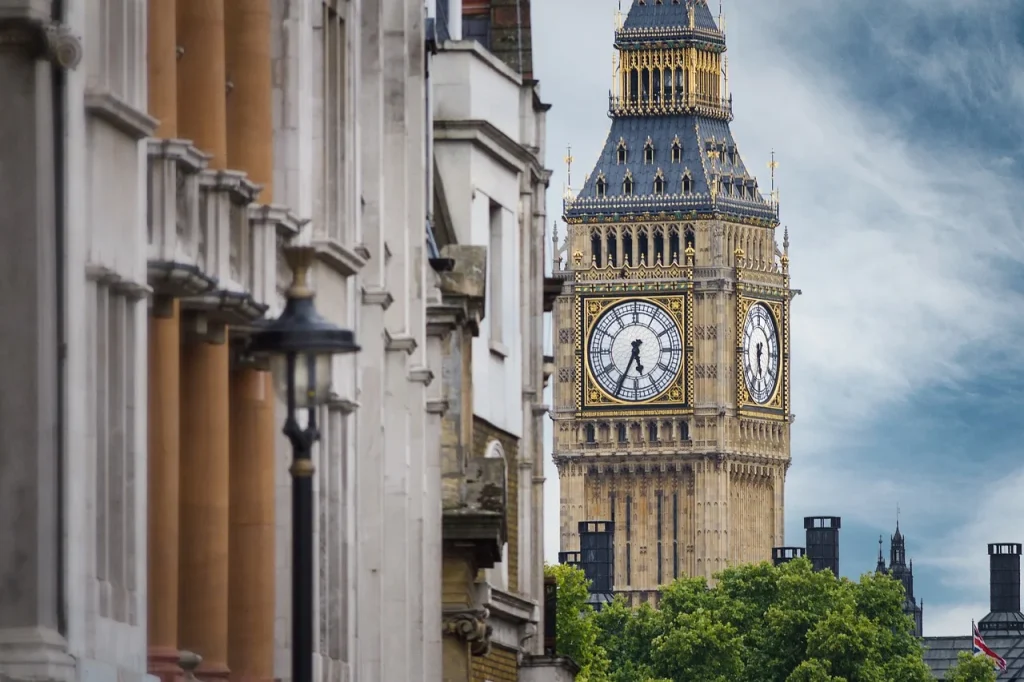
Today was the state opening of Parliament, marking the start of the first parliamentary session for the new government. The King’s Speech set out the new government’s legislative agenda for the coming year. With close to 4,000 people sleeping on the streets every night, and almost 80,000 households experiencing homelessness or at risk of it, ending homelessness crisis must be prioritised by the new government. We were pleased to hear that the government will be legislating in a number of key areas which could have a positive impact on people experiencing homelessness. We welcome the plans to accelerate the delivery of housing as well as introducing greater rights and protections for people renting their homes including keeping pets, through the Renters’ Rights Bill. Increasing the supply of affordable and social housing, as well as improving affordability and security of tenure in the private rented sector will be key to reducing homelessness for the long-term. We were pleased that the government reaffirmed its commitment to making work pay through the Employment Rights Bill. Employment is a vital for a person’s recovery out of homelessness, but the current welfare system creates barriers to work for people in supported housing. The government also committed to modernising the asylum and immigration system through the Border Security, Asylum and Immigration Bill. With record numbers of people rough sleeping who have left home office accommodation, it is clear the system needs reform. It was also encouraging to hear that the government wants the NHS to be a service for all with care being given on the basis of need, as well as ensuring that mental health has the same focus as physical health through the Mental Health Bill. Unmet health and care needs can be both a cause and a consequence of homelessness. In order to tackle the homelessness crisis, it is essential that these unmet needs are addressed. We welcome the positive developments set out today. There is now much to do both in delivering the commitments made today and the wider set of activity to end the current homelessness crisis. We want to work with the new government and share our clients’ voices and our service expertise, to help end homelessness for good. We will continue to press the government on our policy priorities, including the need to guarantee ongoing funding for services, which over 50,000 of our supporters agreed was a fundamental first step to ensuring an already terrible situation doesn’t get worse.
St Mungo’s recognised as Stonewall Top 100 Employer
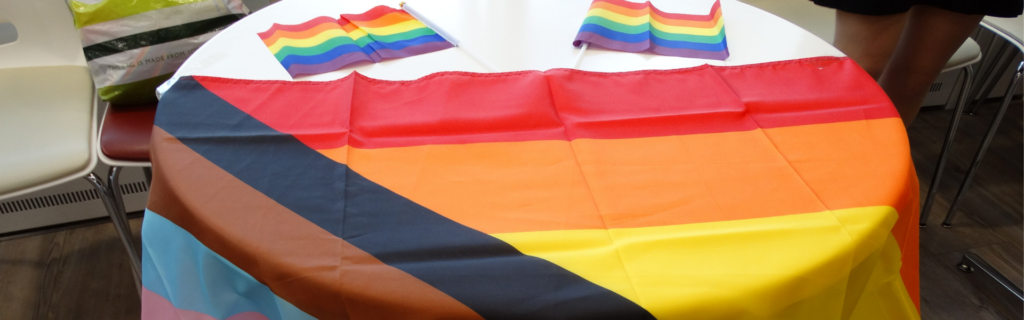
Leading homelessness charity St Mungo’s is once again a Stonewall Top 100 Employer, named as one of the most inclusive employers in the UK. This year St Mungo’s has been awarded the prestigious Gold Award again for its commitment to inclusivity and have ranked 42nd overall in the UK – 3rd in the charity sector, and 2nd in housing. The Gold Award celebrates organisations that go above and beyond to empower LGBTQIA+ staff members to be themselves at work. Kevin Maxwell, Head of Equity, Diversity and Inclusion said: “It is amazing that we have ranked so well, amongst the top 50 employers in the UK, and received an additional Gold Award. We know how vitally important this is: according to Stonewall, more than a third (35 per cent) of LGBTQIA+ staff have hidden who they are at work for fear of discrimination, and many people feel that they have limited options when applying for jobs – or that the work culture isn’t right for them when they do start a new role. We are genuinely proud to be recognised for our collective dedication to creating safe and inclusive spaces for our LGBTQIA+ people and will continue to do all we can to ensure everyone at St Mungo’s can be their true self and thrive.”
St Mungo’s Response to 2024 General Election Result
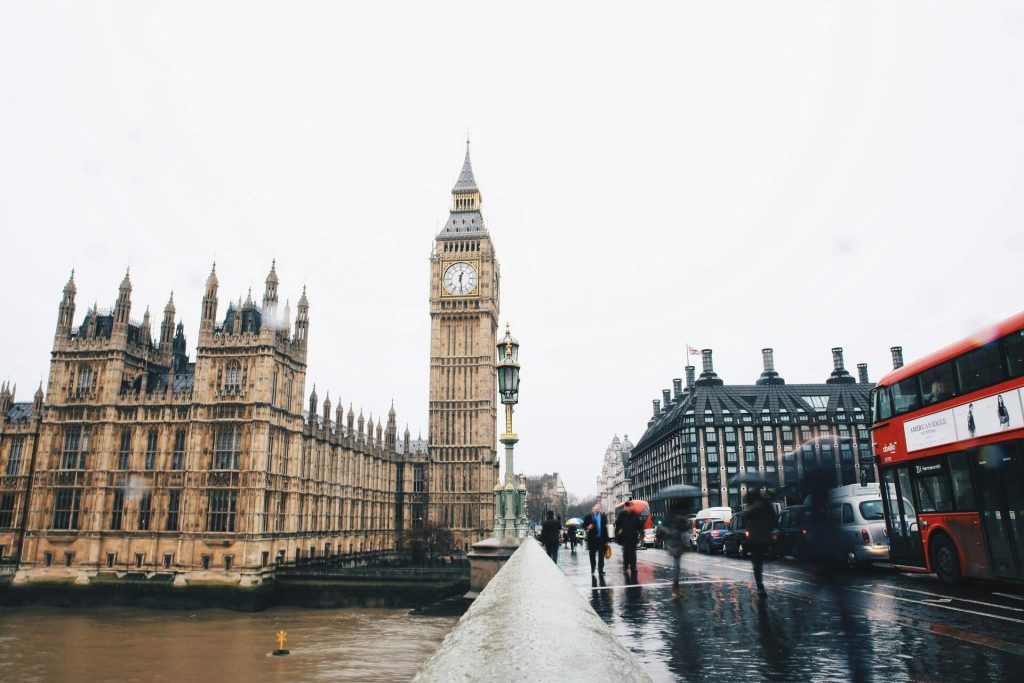
Today the United Kingdom welcomes a new Prime Minister and new government. We congratulate Sir Keir Starmer in his election victory and on forming a new government. We hope this significant political change will also lead to significant social change in ending homelessness. With close to 4,000 people sleeping on the streets every night, and almost 80,000 households experiencing homelessness or at risk of it, we are, without a doubt, in a homelessness and rough sleeping crisis. We want to work with the new government and share our clients’ voices and service expertise to end homelessness for good. We welcome and are encouraged by commitments which have already been outlined to reduce homelessness such as the development of a new cross-government strategy to put Britain back on track to ending homelessness. We published our six priorities for a new government to end homelessness which we will work with the new government to implement. To tackle the homelessness crisis, the new government should start by extending and uplifting vital funding which we recently called for in an open letter signed by over 50,000 supporters. We urge the new government to be galvanised by this worsening crisis and to use its new mandate to take bold action in tackling homelessness as a key priority in its first 100 days. Reversing the recent and significant growth in homelessness will not be easy, but it is not impossible.
Rough sleeping in London has now increased by a massive 44% since 2022
The latest CHAIN stats show a massive increase in the number of rough sleepers in London. Here, Emma Haddad, CEO of St Mungo’s discusses the statistics and what St Mungo’s is calling for on the eve of a general election. “With a week to the polls, today’s statistics that show 11,993 people slept rough on the streets of London last year will I’m sure be of as much concern to voters as they are to St Mungo’s. We are urging whoever forms the next government to treat homelessness as an emergency and prioritise it in their first 100 days. Rough sleeping in London has now increased by a massive 44% since 2022. This week we sent an open letter to party leaders with over 50,000 signatures calling for a commitment to extend funding that is critical to help rising numbers of rough sleepers. This will be a crucial first step. Homelessness is complex but it can be prevented by targeting the causes, intervening early and investing in the right approaches.” Headline Stats: The total of 11,993 rough sleepers in London is the highest annual figure recorded on CHAIN since reporting by City Hall started in 2014. There has been a 44% increase in the total number of rough sleepers in London in just two years. This is compared to 2021/22 when figures reduced significantly (to 8,329) over the pandemic during the Everyone In initiative. There has been a 58% increase in the total number of rough sleepers in London in 10 years (from 7581 in 2014-15). St Mungo’s six priorities for a new government to end homelessness are outlined here.
St Mungo’s open letter supported by 50,261 signatories
Yesterday our Chief Executive, Emma Haddad, sent an open letter to the three main party leaders calling on them to commit to prioritising ending rough sleeping, and supporting people who are homeless or at risk of homelessness by extending and uplifting vital funding for homelessness services, including Rough Sleeping Initiative funding which is due to end next year. The open letter was supported by 50,261 signatories, highlighting the huge public support for ending homelessness and protecting the services at the frontline of the homelessness crisis. Rough sleeping has increased by 120% since 2010 and the number of people who are homeless or at risk of homelessness is at an all-time high. Funding must be extended and increased to prevent the loss of essential homelessness services. We are urging party leaders to listen our united voices and take action as a priority following the election of a new government. You can view the full text of the letter here.
Response to 2024 party manifestos

The Labour party released its manifesto this morning, joining the Conservative, Liberal Democrat and Green parties in making clear their commitments to the public. They all discuss tackling homelessness to some extent, but is it enough? This is our round up. With rough sleeping increasing by 27% in a year, record numbers in temporary accommodation and almost 80,000 households homeless and at risk of it in the last quarter, measures to end this crisis must be priority commitments for all candidates in this general election. Ending homelessness is not a fringe issue – in fact, it’s quite the opposite. It’s a complex issue which is relevant to policy areas across government, including; Housing, Planning, Health, Welfare, Employment, the Economy, Criminal Justice and Asylum. This is reflected in St Mungo’s six priorities for a new government and it is therefore something which all parties should be able to get behind. We were pleased that all of the major parties have included at least one reference to working to tackle homelessness or rough sleeping in their manifestos. It is encouraging that this has been recognised. However, recognition is not enough to tackle the scale of the challenge. Clear and assertive action with targeted policy decisions must be taken by the next government to end homelessness for good. As the scale of the crisis continues to grow, a new government must invest and renew its efforts to tackling rising homelessness. We are particularly encouraged where there has been commitment to policies in manifestos which will have a clear impact in ending homelessness. We are encouraged by measures set out in the Liberal Democrat and Green manifestos which support an ambitious social housing building programme which commits to the sector recommended target of building at least 90,000 social rented homes per year. We were pleased with Labour’s commitment to develop a new cross-government strategy, to put Britain back on track to ending homelessness. We know that the causes and consequences of homelessness are complex and will require all levels of government and different departments to work together to fix this crisis. Our work with the Kerslake Commission has highlighted the huge benefits of cross-sector and government working. And we were also glad to see that all major parties are committed to protecting renters. Reforms to protect private renters from homelessness have been long called for. St Mungo’s has expertise in delivering services for people in our communities who need us the most. And through our clients we know which areas need to be prioritised by a new government to end homelessness. We want to work with a new government and all parties to solve this crisis and so we are asking candidates to support our six priorities for ending homelessness. Extend and uplift funding to tackle rough sleeping and homelessness. Protect renters from homelessness. Reform practices to prevent homelessness from government institutions. Align benefits to help people into housing and remove disincentives to work. Support an integrated approach to homelessness, addressing unmet health needs. Boost the delivery of affordable and social housing for the long-term. Read more about our six priorities here
St Mungo’s announces Mike Adamson CBE as its next Chair of Trustees

Homelessness charity St Mungo’s has announced Mike Adamson CBE as its next Chair of Trustees. Mike Adamson CBE was CEO of The British Red Cross for nine years. He led the organisation through many domestic and international humanitarian responses, including the Coronavirus pandemic and Grenfell Tower fire, developing the work with refugees and building policy and advocacy capability. Until recently, he was the Interim Director of the Global Commission on Modern Slavery and Trafficking. He is Visiting Professor at Bayes Business School and Visiting Fellow at the Birmingham University Institute of Leadership. Mike will take up post in September 2024 after a selection process that included St Mungo’s clients, union representatives, staff and trustees. He will succeed Joanna Killian, who served as Chair for three years until she stepped down last month following her appointment as CEO of the Local Government Association (LGA). Alex Beidas, vice-Chair, is acting as interim Chair until Mike starts. Emma Haddad, Chief Executive of St Mungo’s said “I am looking forward to working with Mike immensely. His extensive experience across the charity sector and deep expertise in influencing change as part of an ecosystem, using what is being seen on the ground, will be incredibly relevant to St Mungo’s.” Mike Adamson CBE said “I am incredibly excited to be joining St Mungo’s as its next Chair of Trustees. Homelessness and rough sleeping are symptomatic of deeper societal issues which we should not tolerate. Everyone has a right to a roof over their heads. “I am inspired by the difference that St Mungo’s makes to people every day and the leadership role it can play, in collaboration with others, to shape policy and public discourse to help people find a path away from homelessness and rebuild their lives.”
Rough sleeping has increased by 120% since 2010: An open letter to the next Government
Dear Rishi Sunak, Keir Starmer, Ed Davey, Rough sleeping has increased by 120% since 2010 and the number of people who are homeless, or at risk of homelessness, is at an all-time high. Funding must be extended and increased to prevent the loss of essential homelessness services. We, the undersigned, write to you on the advent of the 2024 General Election, urging you to act against the rising tide of homelessness should you be successful in forming a new Government. At this moment, there are close to 4,000 people sleeping on the streets every night, and almost 80,000 households experiencing, or at risk of, homelessness. The cost-of-living crisis and a chronic lack of affordable housing are pushing more and more people to the brink. It does not have to be like this and there are political choices that could resolve it. Every day we see people who have no choice but to sleep rough, people in work who cannot afford their rent, people who are fighting to rebuild their lives. St Mungo’s works tirelessly to provide services that support people away from homelessness, but outreach teams are struggling to meet demand and hostels are at capacity. Essential funding for homelessness services must be extended and uplifted. The Rough Sleeping Initiative, dedicated to supporting people off the streets, will face a cliff-edge as funding is due to end in April 2025. Other essential funding for non-statutory local authority run homelessness services, does not currently cover skyrocketing demand and running costs. When pressures on budgets grow, local authorities look at cutting non-statutory services first, vital services like the ones St Mungo’s provide. Thousands of the people that St Mungo’s support rely on services funded by the Rough Sleeping Initiative. If it is not extended and uplifted, about a third of the projects that St Mungo’s deliver with local authorities may have to close. With the unprecedented financial pressures currently affecting local authorities, this funding must be extended and increased to prevent these services – and many others like them – from closing, leaving thousands of people with nowhere to turn. We ask you to ensure that people who are at risk of rough sleeping and homelessness receive the vital support they need, by covering increased costs, and by extending and uplifting funding for the Rough Sleeping Initiative for at least an additional four years. We believe that ending homelessness is a political choice, and the next government must commit to ending the rapid rise of rough sleeping, and supporting those who are at risk of homelessness. Together, we can end rough sleeping. Yours sincerely, St Mungo’s Thank you to all 50,261 of you who signed the open letter.
Amendments made to the Criminal Justice Bill around rough sleeping

Following a united campaign with other organisations across the sector, a number of plans to criminalise homelessness have been dropped from the Criminal Justice Bill. In response to the amendments, Sean Palmer, Executive Director of Transformation said: “We welcome the government removing some of the most harmful proposals in the Criminal Justice Bill following pressure from a range of organisations and cross-party MPs to do so. The Bill still does too much to vilify and criminalise people who rough sleep and the Government’s approach does too little to tackle the causes of homelessness. The dramatic increases in the number of people who are rough sleeping, the pressure on local authority budgets and the funding cliff edge that we face for the Rough Sleeping Initiative, mean the support services that the proposed guidance will require people to be directed to are already overwhelmed and risk, in some areas, not existing unless the government takes action to protect and increase funding. We need that commitment now to turn the tide on the current crisis.”


